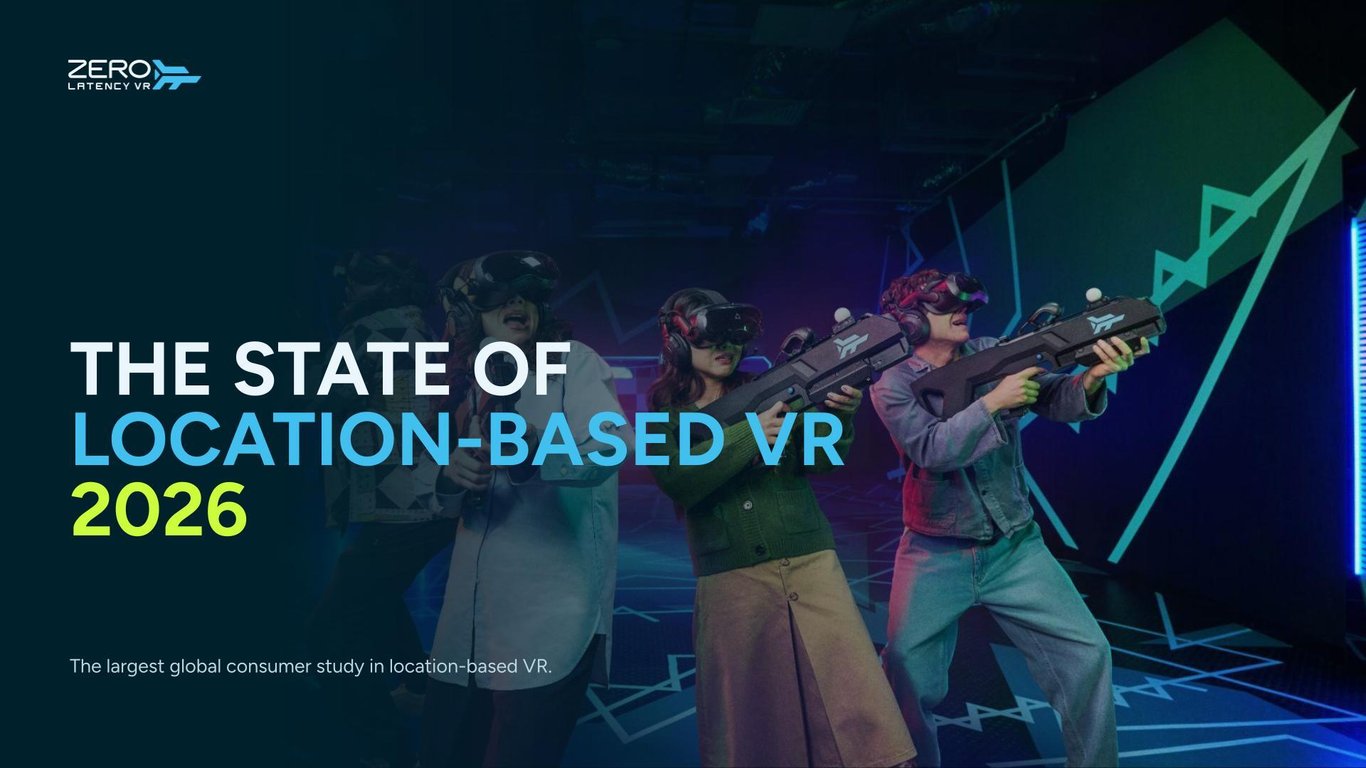
The State of Location-Based VR 2026, the largest consumer study run on location-based VR, surveyed 2,386 people across five markets. Here's what it means for operators.
Asked to name the entertainment experiences they most want to do, consumers put virtual reality first, at 93% interest, ahead of arcades (62%), bowling (57%) and escape rooms (55%).
That comes from The State of Location-Based VR 2026, the largest consumer study ever run on location-based VR. Commissioned by Zero Latency VR and conducted by independent research agency Glow, it surveyed 2,386 people across the US, Canada, Australia, France and Spain. VR ranked first in every region covered: North America, Europe and ANZ.
Across the world's family entertainment centres and multi-attraction venues, the bowling alleys, trampoline parks, escape rooms, mini golf courses and karting tracks guests already visit, VR is the one major attraction most still don't offer.
THE GAP
Multi-attraction venues are the backbone of the out-of-home entertainment industry, and almost all of them are candidates for VR that don't yet have it.
-
Around 40% of the global FEC market sits in North America alone
-
2,500 to 3,800 bowling centres operating in the US (IBISWorld, USBC)
- 19,800 escape room facilities worldwide (Room Escape Artist)
- 2,500 to 3,000 trampoline parks worldwide (JUMP Parks directory)
- $10.6B in European indoor amusement centre revenue in 2024 (Grand View Research)
-
150+ Zero Latency VR installs across 30 countries, a fraction of the above
Estimates of the total FEC count vary widely depending on who is counting and what they include, from roughly 1,450 to over 5,000 in the US. That fragmentation is part of the story. Nobody has properly mapped how few venues offer the single attraction guests want most.
vr completes an entertainment VENUE
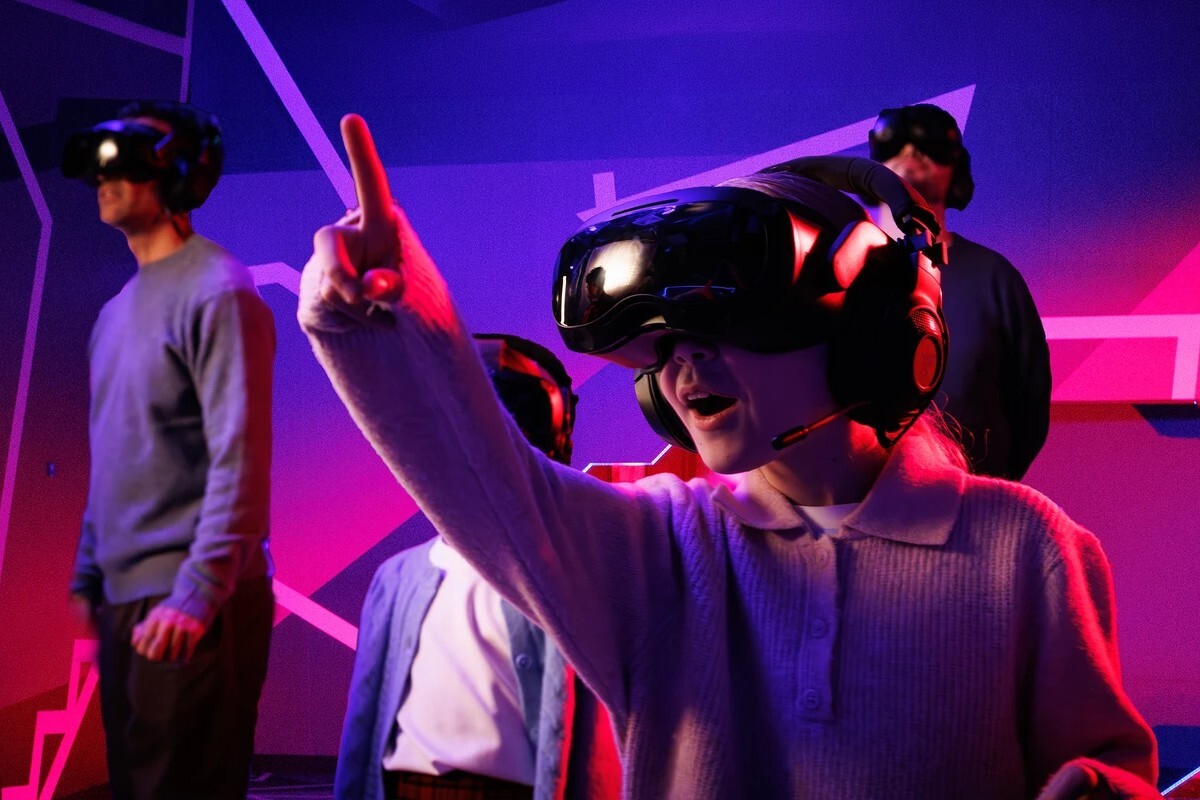
Guests don't necessarily want a VR experience as a standalone destination. 78% prefer a venue that offers VR alongside other attractions, whether that's more VR experiences (40%) or activities like bowling and mini golf (38%). Only 15% want a VR-only venue.
People are booking a bigger day out under one roof. That makes VR an anchor attraction for an existing floor plan rather than a replacement for it.
THE NOVELTY ERA IS OVER
When we last ran the study in 2023, the top reason to book VR was trying new technology. In 2026 it sits fourth, behind thrill, social experience and doing something new.
That is a category moving from gimmick to habit, and it raises the bar. Guests are no longer arriving curious about the headset. They are judging the session against every other way they could spend that evening. The virtual reality attractions that win are those that offer social experiences with high quality graphics and content that cannot be replicated at home.

AI IS NOW A DISCOVERY CHANNEL
Social media is the top discovery channel for out-of-home entertainment, whilst LLM's are gaining traction with 27% of guests use tools like ChatGPT to find things to do. That channel didn't exist in the 2023 wave, and the result held across every region.
If your venue isn't showing up in those answers, you are already missing bookings from people actively looking for something to do near them.
THE MOST VALUABLE GUEST IS THE LEAST PRICE SENSITIVE
VR attractions enable a higher than average attraction ticket price. $49 a session, appeal holds at 51% among households earning $100k or more, against 31% among those under $60k.
The core VR audience is families and affluent adults, not teenagers. That matters for how the attraction is priced, packaged and marketed.
THE TAKEAWAY FOR OPERATORS
Demand for virtual reality experiences is proven and growing while other categories flatten. Guests want VR next to the attractions you already run, not instead of them. They are finding venues in new places, and the audience with the highest willingness to pay is the one VR converts best.
The full report covers demand by region, pricing, discovery, booking barriers and what guests expect from a VR experience.